
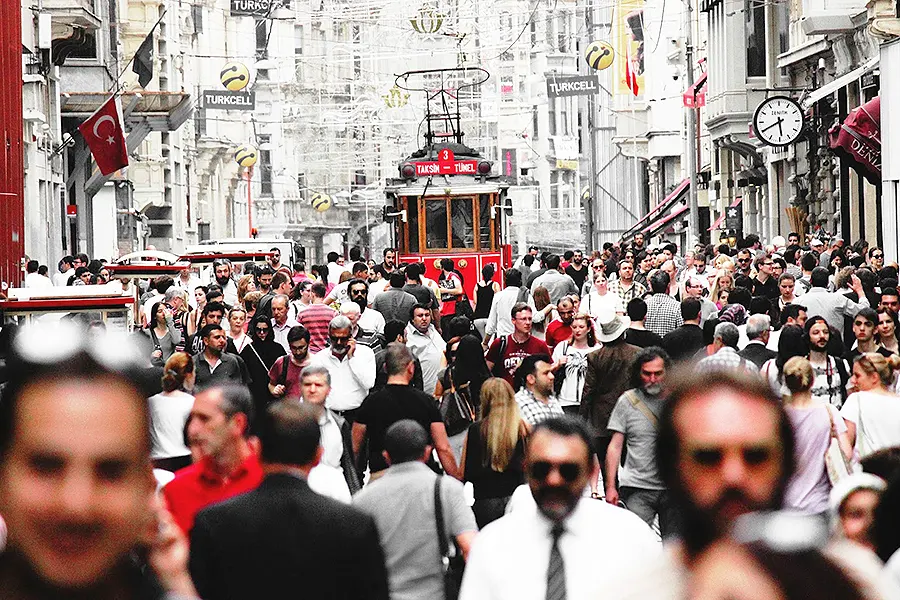
Istanbul, a city that bridges continents and cultures, is one of the most vibrant metropolises in the world. Understanding the Istanbul population is essential to grasp the city’s unique character, which blends rich historical heritage with the pulse of modern urban life. This article delves into the demographics, cultural diversity, and social dynamics that define the population of this extraordinary city.
A growing metropolis: Istanbul’s population over time
Istanbul has experienced rapid population growth, particularly in the last century. In 1927, shortly after the founding of the Turkish Republic, Istanbul’s population was approximately 690,000. However, by 1950, this number had surged to over 1 million, marking the beginning of a significant population boom. Today, Istanbul’s population is estimated to be over 16 million, making it one of the largest cities in Europe and the world.
This explosive growth can be attributed to several factors, including internal migration from rural areas, international immigration, and natural population increase. The city’s strategic location, economic opportunities, and cultural allure continue to attract people from across Turkey and around the globe, contributing to its dynamic demographic landscape.
Demographics and age distribution
The demographic composition of Istanbul is diverse, reflecting its role as a global city. The population is relatively young, with a significant proportion of residents under the age of 30. According to recent statistics, approximately 30% of Istanbul’s inhabitants are under 20 years old, while nearly 50% are under 35. This youthful demographic contributes to the city’s vibrant atmosphere and dynamic labor market.
However, Istanbul also has a growing elderly population, which presents new challenges and opportunities for urban planning and social services. As the city’s infrastructure continues to modernize, accommodating the needs of both its young and aging populations will be crucial for sustaining its growth and vitality.
Cultural diversity and migration
One of the most fascinating aspects of Istanbul’s population is its cultural diversity. The city has been a melting pot of civilizations for centuries, attracting people from different ethnic, religious, and cultural backgrounds. This diversity is still evident today, with significant communities of Kurds, Arabs, Greeks, Armenians, and Jews, among others, living alongside the ethnic Turkish majority.
Migration has played a pivotal role in shaping Istanbul’s demographic landscape. In recent decades, there has been substantial internal migration from rural Anatolia to Istanbul, driven by the search for better economic opportunities. Additionally, the city has become a hub for international migrants, including refugees from conflict zones like Syria. These migrations have further enriched Istanbul’s cultural fabric, making it a truly cosmopolitan city.
Economic impact of Istanbul’s population growth
The economic implications of Istanbul’s population growth are significant. As the largest city in Turkey, Istanbul is the country’s economic powerhouse, contributing nearly 30% of Turkey’s GDP. The continuous influx of people has fueled the city’s economy, creating a robust labor market and driving demand for housing, services, and infrastructure.
However, this rapid growth also presents challenges. The city’s infrastructure, including transportation, healthcare, and education, has been under immense pressure to keep up with the increasing population. Traffic congestion, pollution, and housing shortages are some of the pressing issues that the city government is working to address. Despite these challenges, Istanbul remains an attractive destination for businesses and individuals alike, thanks to its strategic location, skilled workforce, and vibrant cultural scene.
Social dynamics and quality of life
The social dynamics of Istanbul’s population are complex, reflecting the city’s diverse and rapidly changing demographic profile. Istanbul is home to both wealthy neighborhoods with high living standards and underprivileged areas facing economic hardship. This disparity is a key issue for urban planners and policymakers, who must balance the needs of different communities while fostering social cohesion.
Quality of life in Istanbul varies depending on factors such as income, education, and access to services. While the city offers numerous cultural, recreational, and educational opportunities, challenges like traffic, pollution, and high living costs can impact the overall well-being of its residents. Nevertheless, many Istanbulites express a strong sense of belonging and pride in their city, which remains a beacon of cultural and economic vitality in the region.
The future of Istanbul’s population
Looking ahead, the future of Istanbul’s population will be shaped by several factors, including economic trends, migration patterns, and government policies. The city’s population is expected to continue growing, although at a slower pace than in previous decades. Managing this growth sustainably will be crucial for maintaining Istanbul’s livability and global competitiveness.
Urban planners are focusing on strategies to improve infrastructure, reduce environmental impact, and enhance the quality of life for all residents. Investments in public transportation, green spaces, and affordable housing are among the key priorities for the city’s future development. Additionally, efforts to promote social inclusion and address the needs of Istanbul’s diverse population will be essential for ensuring that the city remains a vibrant and harmonious place to live.
Istanbul, a city of contrasts and opportunities
The Istanbul population is a testament to the city’s enduring appeal and its ability to adapt to changing times. As one of the world’s most dynamic and culturally rich cities, Istanbul continues to attract people from all walks of life, contributing to its unique character and global significance. Understanding the population trends and challenges facing Istanbul is essential for anyone interested in the future of this remarkable city, which stands at the crossroads of history and modernity.