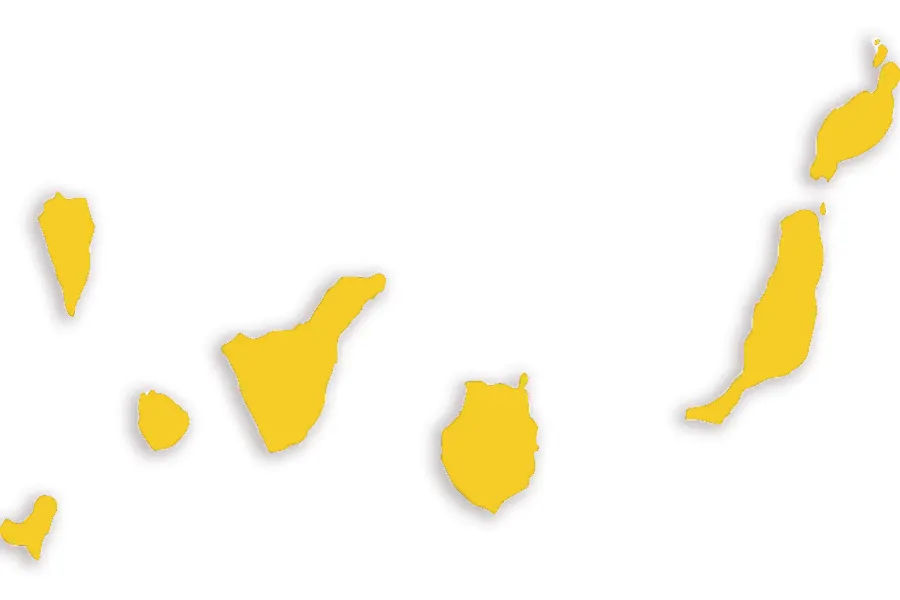
The Canary Islands are a remarkable destination located off the northwest coast of Africa, yet they belong to Spain. This unique archipelago consists of seven main islands: Tenerife, Gran Canaria, Lanzarote, Fuerteventura, La Palma, La Gomera, and El Hierro. Each island offers its own distinct flavor of culture, landscape, and experiences, making the Canary Islands a versatile travel destination for any type of traveler.
A year-round destination with perfect climate
One of the Canary Islands’ most appealing features is their subtropical climate, which makes them a year-round destination. With mild temperatures ranging from 18°C to 24°C (64°F to 75°F) during the winter and moderate warmth during the summer, the weather here is near perfect. The islands receive plenty of sunshine with minimal rainfall, especially in the eastern islands like Lanzarote and Fuerteventura, which are more arid.
Diverse landscapes and natural wonders
Despite their proximity to each other, the Canary Islands boast diverse landscapes. Tenerife, the largest island, is home to Mount Teide, the highest peak in Spain and a UNESCO World Heritage Site. This dormant volcano, surrounded by a stunning national park, is a must-visit for hikers and nature enthusiasts. In contrast, Lanzarote offers a unique volcanic terrain characterized by the Timanfaya National Park, where the landscape resembles that of the moon.
Gran Canaria, often referred to as a “continent in miniature,” offers everything from lush forests in the north to desert-like dunes in the south. The Maspalomas Dunes, a protected area, is particularly famous and provides a striking contrast to the verdant laurel forests of La Gomera.
Fuerteventura is known for its endless beaches and turquoise waters, making it a paradise for surfers, windsurfers, and kiteboarders. Meanwhile, the lesser-known islands of La Palma and El Hierro offer untouched natural beauty and are recognized as Biosphere Reserves by UNESCO.
A rich cultural heritage
The Canary Islands are not just about natural beauty; they also have a rich cultural heritage. The islands have been influenced by various civilizations, including the Guanches, the original Berber inhabitants, and later by Spanish and other European settlers. This blend of cultures is reflected in the islands’ architecture, traditions, and gastronomy.
Tenerife hosts the Carnival of Santa Cruz de Tenerife, one of the most famous carnivals in the world, rivaling those in Rio de Janeiro and Venice. The carnival is a vibrant celebration featuring parades, music, and elaborate costumes, attracting visitors from across the globe.
The local cuisine is another highlight, with dishes that include papas arrugadas (wrinkled potatoes) served with mojo sauce, fresh seafood, and gofio, a type of flour made from roasted grains that has been a staple since the time of the Guanches. The islands also produce excellent wines, particularly in Lanzarote, where the volcanic soil imparts a unique flavor to the grapes.
Adventure and outdoor activities
For those seeking adventure, the Canary Islands are a paradise for outdoor activities. With their diverse landscapes, the islands offer a wide range of activities, from hiking and cycling to water sports and paragliding.
Tenerife’s Mount Teide National Park offers numerous hiking trails that vary in difficulty, providing breathtaking views of the island and the surrounding ocean. For water sports enthusiasts, Fuerteventura is a top destination for surfing and windsurfing due to its consistent winds and excellent waves.
The clear waters around the Canary Islands also make them a popular destination for diving and snorkeling. Divers can explore volcanic caves, underwater cliffs, and a rich marine life that includes dolphins, turtles, and even rays. La Palma is particularly famous for its diving spots, where visibility can reach up to 30 meters.
Sustainable tourism and conservation efforts
In recent years, the Canary Islands have made significant strides in promoting sustainable tourism. Many of the islands have implemented measures to protect their natural environments, such as limiting development in protected areas and promoting eco-friendly tourism practices.
El Hierro, the smallest of the main islands, has become a model for sustainability. The island is powered almost entirely by renewable energy sources, including wind and water power. It has also established marine reserves to protect its coastal waters and promote biodiversity.
La Palma has focused on preserving its dark skies, earning it the status of a Starlight Reserve. The island is one of the best places in the world for stargazing, with observatories like the Roque de los Muchachos offering unparalleled views of the night sky.
The best travel destination
The Canary Islands offer an exceptional blend of natural beauty, cultural richness, and outdoor adventure. Whether you’re looking to relax on a pristine beach, hike through volcanic landscapes, or immerse yourself in local traditions, this archipelago has something for everyone. The islands’ commitment to sustainability ensures that their unique environment and heritage will be preserved for future generations to enjoy. For these reasons and more, the Canary Islands stand out as a must-visit destination for travelers from all walks of life.